



 ES
ES FR
FR DE
DE IT
IT PT
PTUncategorized
The Beat Generation: The Beatniks
Nov
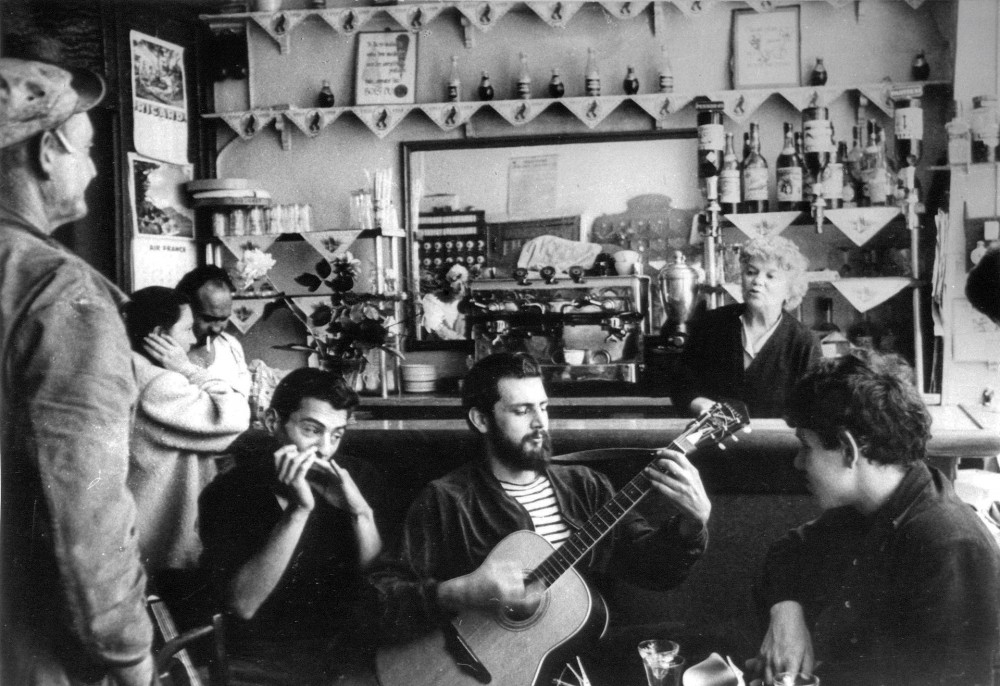
Emerge in the United States in the late 40s and whose members have come to be known as beatniks, is an important point of reference for understanding all subsequent social movements and intellectuals in the history of recent Western culture.
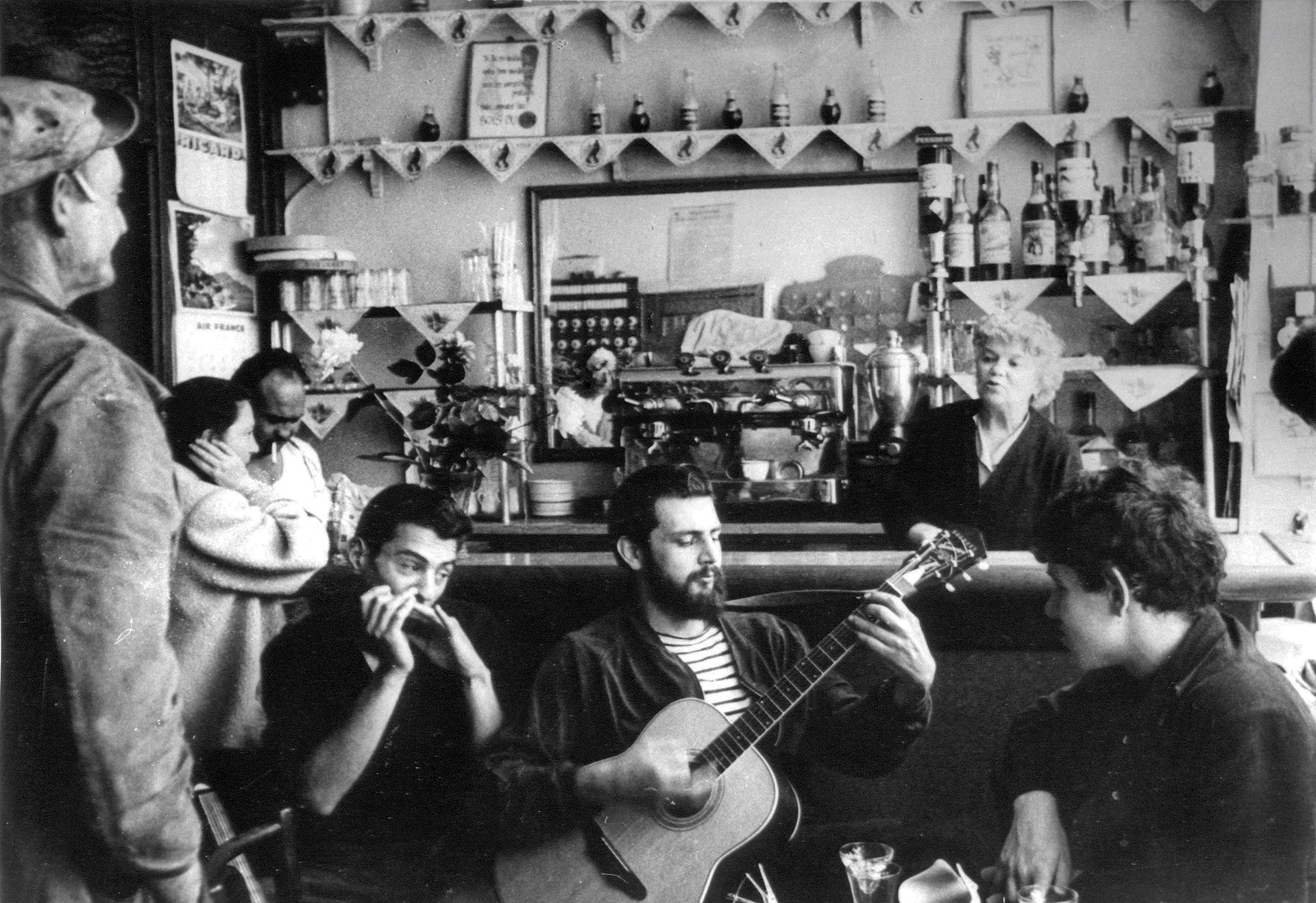
The initial group consisted of Jack Kerouac, Neal Cassady, William Burroughs, Herbert Huncke, John Clellon Holmes and Allen Ginsberg. In 1948 Carl Solomon and Philip Lamantia joined; Gregory Corso in 1950; and in 1954 Lawrence Ferlinghetti and Peter Orlovsky.
This group, which ended up being called the Beat Generation, revitalized American cultural bohemian scene. His energy overflowed into the youth movements of that period (On the Road -In the way, 1957- Kerouac, became manifest universal character of youth who wanted to flee the established), and was absorbed by mass culture and by the middle class in the late fifties and early sixties.
According Kerouac and Ginsberg, found the word in the jargon of hustlers and New Yorkers jazzmen: dead beat or beat-up amounted to be crushed, alienated. Exiled in conventional society. All that jazz world was dark point and admiration for the Beat Generation. Chronologically coincided with the birth of bebop and celebrated the big “jazz terrorists” as Charlie Parker, in countless poems and stories. There are many recordings of spoken words, on the basis of jazz, Ferlinghetti, Rexroth, Kerouac, and many others. On the other hand the baptism of the beat generation occurred November 16, 1952, when John Clellon Holmes published in the New York Times an article entitled: “This is the Beat Generation” From here the movement became. “official “on the other hand Kerouak I claim paternity of the term During an interview with Holmes in 1948 I pronounce the words…” this is really a beat generation “(” this is really a generation hit “) The same Kerouak that in 1944 , being in Times Square in New York, I was approached by a stirrer Chicago named Herbert Huncke, and said. “Man, I am a Beat” Huncke was Ginsberg’s friend, with whom he shared many experiences
His ideals advocate an art as a manifestation of the textures of consciousness. His singing to spiritual liberation led to a sexual liberation, which served as a catalyst in the liberation movements of women and blacks. Driven by a tolerant and non-theistic view, a cosmic anti-fascism, an eclecticism … were interested in psychedelics as tools of knowledge.
They focused their fight against the traditionalist values and Puritans US against “American Way of Life”, an implicit capitalist values, for which proposed replacing the ideals set forth by Whitman in “Leaves of Grass” repudiation.
Our brand since its inception pays tribute to those men and women and their eternal ideals.
So much so, that every element of our collection is known as a writer of motion and each of our women’s collection, as a singer of the music they loved, jazz.
A brief presentation of each of the honorees authors:
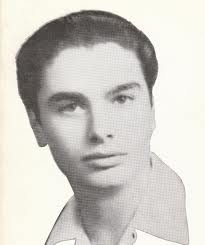 Philip Lamantia was an American poet born in 1927. His visionary poems are filled with elements of horror, erotica and ecstasy, exploring the subconscious world of dreams with the experiences of daily life.
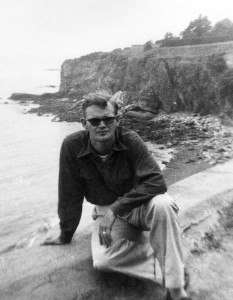 Clellon John Holmes, born in 1926, was a novelist, poet and professor. Wrote the first novel beat, “GO”, full of adventures of the other members of the Beat Generation. He also wrote the definitive novel of movement relative to Jazz, “The Hom”. He was considered the beat calm and was one of the best friends of Jack Kerouac.
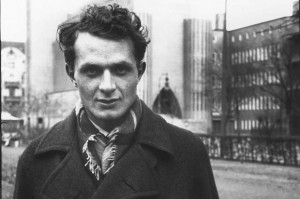 Gregory Nunzio Corso (born in 1930, was the youngest of all the initial generation American beat poet. His style, romantic and powerful, heavily influenced by Shelley, mingled at once powerful images of popular and street culture.
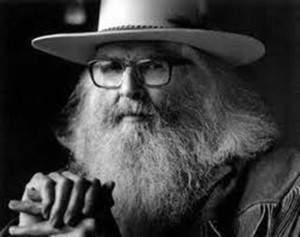 William Everson born in 1912, known as Brother Antoninus, was a poet and literary critic. He was an influential member of the “Renaissance of San Francisco” and a great admirer of the poet Robinson Jeffers. Everson was an anarchist and pacifist, being objector to the Second World War. Subsequently continued to be a prominent countercultural figure until his death.
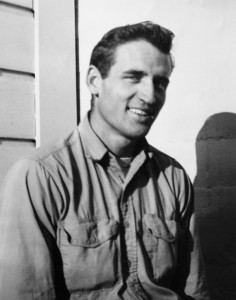 Neal Cassady (born 1926 was an icon of the “Beat Generation” of the 50s and the psychedelic movement of the 60s, known mainly for being portrayed, under the name Dean Moriarty, the classic novel Jack Kerouac, on the Road.
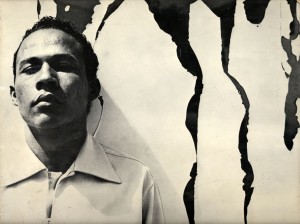 Bob Kaufman, born in 1925. Poet and innovative, heavily influenced by jazz and surrealism. Very activist against the war in Vietnam, made a vow of silence for over 12 years until the war ended.
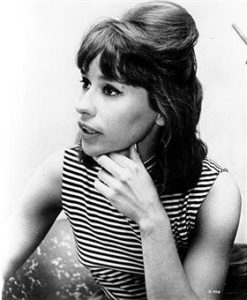 Astrud Gilberto (born in Bahia in 1940, is a Brazilian bossa nova and jazz singer. Married to Joao Gilberto, in 1963, during the recording of the album Getz / Gilberto with Antonio Carlos Jobim compositions, her husband invited her to sing a few bars disk, although having no previous experience. Your success singing the Girl from Ipanema, catapulted as one of the best known performers golden age of Brazilian music.
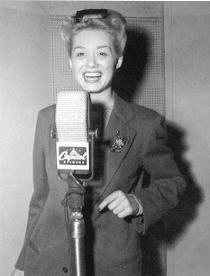 June Christy, real name Shirley Luster (born 1925) was an American jazz and popular music, is the most representative of cool jazz movement of the fifties. She began singing very young and appeared with a local orchestra during his high school years. The debut album for Capitol Christy Something Cool, 1954, launched the cool movement and had great immediate success.
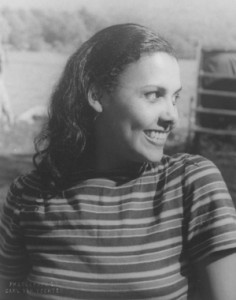 Lena Horne, was a legendary African-American actress and singer of jazz and popular music.
She debuted as a singer at 14 years, to join the ranks of the famous Cotton Club in Harlem, where they played Duke Ellington, Billie Holiday, Louis Armstrong and Ethel Waters who hit with the song “Stormy Weather,” which later would endorse.
Committed to the fight against racial discrimination, his first work in the 30s was at the Cotton Club in Harlem, where blacks could work, but were not admitted as clients. At first his light skin color was to be called the “Hedy Lamarr latte” or “Chocolate chanteuse”, was banned overnight in hotels whites until 1942. In 1940 he was the first African American to do a tour with a white jazz orchestra.